

How Can Residents Support Physical Health in Assisted Living?
Staying active and making balanced nutrition choices are realistic and effective ways to support overall well-being. In Johnstown, PA, the hilly terrain, varied climate, and historic neighborhoods provide unique opportunities and some considerations for residents.
Short, daily walks—indoors or on cleared pathways—help maintain strength and balance, especially during snowy or icy months. Simple in-room exercises, like stretching or light chair aerobics, are a good option during colder seasons or when outdoor mobility is limited. If mobility is a concern, moving joints gently throughout the day can also reduce stiffness.
Locally available produce, such as Pennsylvania apples or root vegetables, can add vitamins and fiber to meals. Hydration is sometimes overlooked in older adults, especially as the climate can shift rapidly, leading to reduced thirst cues. Keeping water accessible and drinking small amounts throughout the day supports digestion and cognitive function.
How Does Mental Well-being Affect Healthy Aging for Local Residents?
Mental health is as impactful as physical health for older adults. Residents in assisted living communities often have opportunities for social connection, but sometimes feelings of isolation still occur. Staying engaged with others—through conversation, games, or group activities—can lift mood and boost memory.
Some residents enjoy hobbies such as crafting, music, or reading, especially during the long winter months. Participating in communal events like movie nights or local interest clubs introduces fresh topics and perspectives. It is also helpful to ask staff about calendar events that bring in local performers or guest speakers, as these foster meaningful engagement and can help reconnect with the broader community.
What Role Does Sleep and Daily Routine Play in Aging Well?
Regular sleep patterns help support alertness, mood, and immune health. In assisted living settings, developing a calming nightly routine and keeping a consistent sleep schedule can be more effective than trying to "catch up" on rest.
Older adults sometimes experience sleep disruptions from nighttime noise, medication side effects, or health changes. Dimming lights in the evening, limiting caffeinated drinks after lunchtime, and reserving the bedroom primarily for sleeping are practical strategies. In Johnstown, shifts in daylight hours between summer and winter can influence sleep rhythm, so adjusting bedtime routines during the seasons may help.
How Do Residents Manage Health Concerns and Medication Changes?
Consistent management of health needs is vital for residents. Assisted living staff typically help with medication reminders, but residents can also play an active role by keeping an up-to-date list of prescribed medicines and questions for routine check-ins.
It's common to have new symptoms as the body ages or as the seasons change. For example, local residents might notice joint stiffness or breathing changes during cold, damp winters. Reporting these observations promptly to care staff ensures a timely response.
Staying informed about vaccinations recommended for adults, such as annual flu shots, is also a smart preventive step, particularly given the variability of disease rates during cold weather seasons.
Are Social Activities and Community Involvement Beneficial?
Participating in group activities has widespread effects on health, from emotional well-being to cognitive sharpness. In Johnstown, many area households value connections built through community events or informal gatherings.
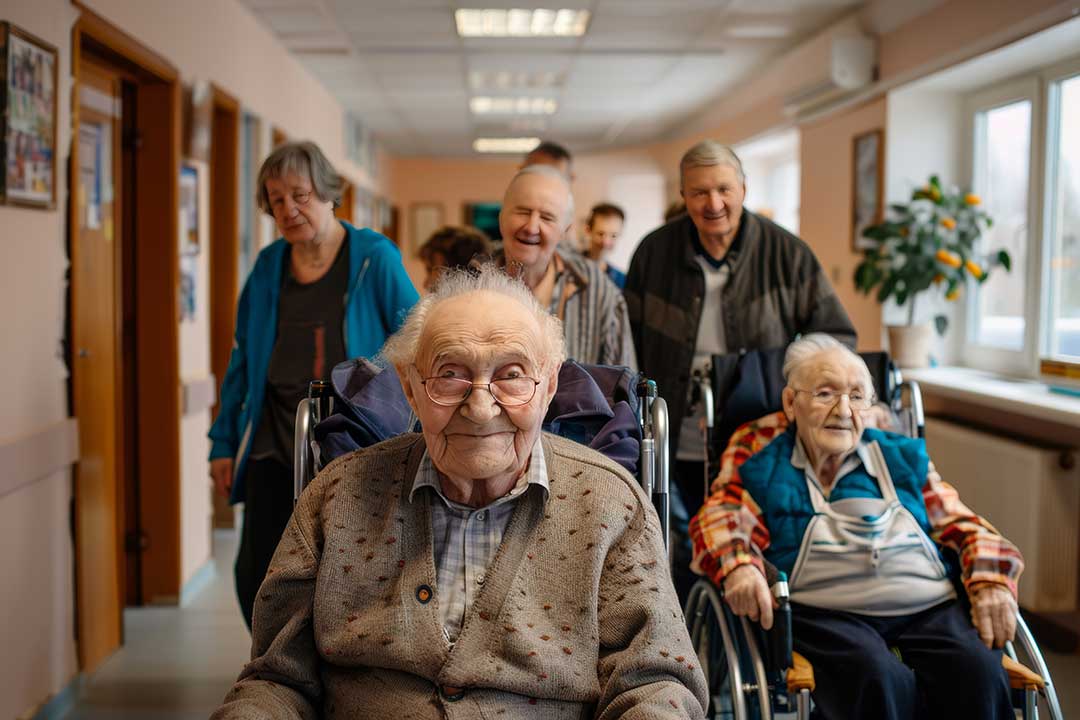
Residents sometimes wonder if joining resident councils, sharing stories of local heritage, or contributing to communal decisions makes a difference—it can. These interactions reinforce a sense of belonging and purpose. Even informal daily exchanges—like greeting neighbors or assisting with simple tasks in shared spaces—are important.
Family visits and intergenerational activities offer additional benefits. These can be coordinated with staff support or through local volunteers, providing opportunities to share traditions, recipes, or personal stories.
What Can Residents Do If They Face Mobility or Sensory Challenges?
Mobility and sensory changes are common, and adapting to them can support ongoing participation in daily life. In assisted living communities, accessible spaces and supportive tools (like mobility aids, hearing amplification devices, or improved lighting) allow for greater independence.
Residents may worry about maintaining dignity or privacy. Asking for modest adjustments—such as labeling personal items in large print, or requesting textured grip items for easier handling—may help. If navigating hallways or outdoor paths is difficult, selecting communal areas with secure seating nearby encourages continued enjoyment of group and solitary activities.
During winter, safety precautions are especially relevant. Wearing shoes with slip-resistant soles, taking shorter walks indoors, and using handrails helps prevent falls. Sharing feedback with staff about specific physical barriers (like snow buildup or furniture placement) can make daily navigation more manageable for everyone.
Are There Overlooked Aspects of Healthy Aging in This Community?
Some health factors are easily missed, such as maintaining regular eye and dental checkups, or addressing hearing changes. Incorporating these into yearly routines helps catch minor issues before they affect daily living.
Personal interests—such as gardening on a windowsill, journaling, or pursuing lifelong learning through reading or puzzles—provide fulfillment beyond basic health care. These are just as important for overall well-being as nutrition and medication management.
Lastly, remembering that healthy aging involves adjusting over time rather than following strict routines can take some pressure off. Residents who listen to their bodies, stay curious, and use available supports typically feel more satisfied with daily life.
