
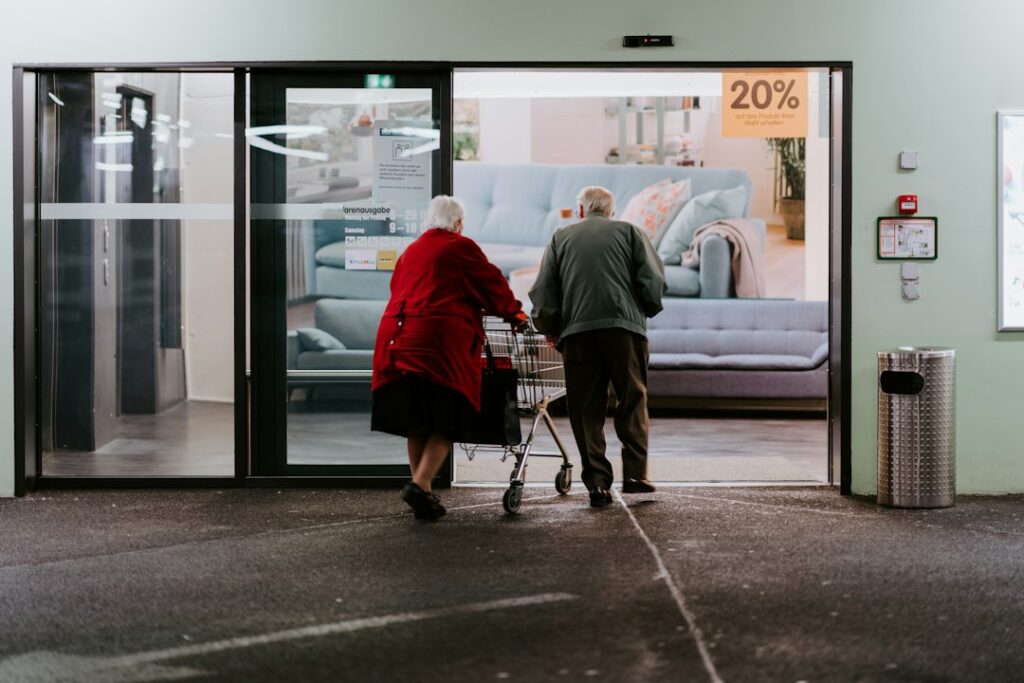
Assisted living can promote senior mobility by combining a safer setting, regular daily activity, personalized support, and access to rehabilitation services when needed. The goal is not to restrict movement, but to help residents remain as independent, steady, and confident as possible.
For older adults and families in Johnstown, PA, mobility may be affected by arthritis, balance changes, vision loss, chronic illness, medication side effects, or recovery from a fall. Assisted living is designed to address these challenges while preserving appropriate independence.
How does assisted living help older adults stay mobile?
Assisted living supports mobility by making everyday movement easier to practice and safer to manage. Residents may receive help with tasks such as bathing, dressing, transferring from a chair, or walking to meals, while still doing the portions they can safely complete themselves.
This approach can prevent two common problems:
- Doing too much without needed support, which may increase fall risk
- Doing too little, which can lead to weakness, stiffness, and loss of confidence
Staff members may provide reminders, supervision, or hands-on assistance based on an individual’s needs. The level of help can often change as a resident’s health or abilities change.
Regular movement is built into ordinary routines. Walking to a dining area, joining an activity, standing during a group exercise session, or moving between rooms can provide more activity than remaining seated for most of the day.
What types of mobility support are available?
Mobility support may include several different forms of assistance rather than a single exercise program. Common examples include:
- Help using a walker, cane, wheelchair, or other mobility device
- Guidance with safe transfers between beds, chairs, toilets, and vehicles
- Supervision on stairs, ramps, or uneven surfaces
- Reminders to wear supportive footwear and use prescribed devices
- Assistance getting to meals, activities, appointments, or outdoor areas
- Monitoring for changes in walking ability, balance, pain, or fatigue
Support should be based on the resident’s care plan and current abilities. A person who needs help in the morning may be able to walk independently later in the day. Others may need more support after illness, poor sleep, medication changes, or a fall.
The purpose is to provide the least restrictive assistance that still protects safety.
Can assisted living improve balance and strength?
It can, especially when residents participate consistently in suitable movement activities. Assisted living communities commonly offer programs such as seated exercises, stretching, walking groups, balance practice, or light strength training. Activities may be adapted for people who stand independently and for those who exercise from a chair.
Regular movement may help maintain:
- Leg and core strength
- Joint flexibility
- Coordination
- Endurance for walking and standing
- Confidence with everyday tasks
- Ability to rise from a chair or bed
Exercise should match a person’s medical condition and functional level. Someone with osteoporosis, recent surgery, heart disease, or significant balance problems may need an individualized plan rather than a general group class.
Physical therapy may also be recommended after a fall, hospitalization, joint replacement, stroke, or other change in function. Therapy is different from routine recreation because it focuses on specific physical limitations and measurable goals.
How does the physical setting affect senior mobility?
A well-planned environment can reduce obstacles and make movement more predictable. Helpful features may include clear walking paths, adequate lighting, handrails, accessible bathrooms, elevators, nonslip flooring, and seating areas where residents can rest.
Good design does not eliminate all risk. It gives residents a better chance to move safely and recognize hazards before they cause a problem.
Seasonal conditions also matter for households in Johnstown. Snow, ice, slush, wet leaves, and early darkness can make outdoor walking more difficult. Assisted living settings may provide indoor walking routes or move activities inside during poor weather. Staff may also monitor entrances and frequently used paths for moisture or other hazards.
Furniture placement is another overlooked factor. Narrow paths, loose rugs, low tables, and poorly positioned cords can interfere with walkers and increase the chance of tripping. Residents and families should be able to raise concerns when a room setup no longer fits a person’s mobility needs.
Does assisted living reduce independence?
Assisted living does not have to reduce independence. In many cases, appropriate support allows a person to continue doing more for themselves because the environment and assistance reduce unnecessary danger.
For example, a resident may be able to dress independently while receiving help with buttons or shoes. Another person may walk to meals using a walker but need assistance getting in and out of a vehicle. A resident who cannot safely shower alone may still choose clothing, attend activities, and walk short distances without hands-on help.

Independence is not the same as doing every task without assistance. It may mean having choices, participating in decisions, and using support in a way that preserves personal control.
Overhelping can be harmful if it causes a resident to stop using abilities that remain safe. Care plans should be reviewed when a person’s walking pattern, strength, or confidence changes.
What role do falls play in mobility planning?
Falls are a major reason mobility support must be individualized. A fall may result from weakness, poor balance, vision changes, dizziness, an unsafe environment, footwear, dehydration, or medication effects. Preventing future falls requires looking at the likely causes rather than simply telling someone to walk less.
After a fall or near-fall, useful questions include:
- Was the person dizzy, weak, or in pain?
- Did the fall happen during a transfer, while walking, or in the bathroom?
- Was a mobility device used correctly?
- Was the area dark, wet, crowded, or obstructed?
- Had there been a recent illness or medication change?
A new fall, sudden decline in walking, unexplained dizziness, chest pain, severe pain, or new confusion requires prompt medical attention. Safety measures should never replace evaluation of a potentially serious health problem.
How can families encourage mobility without creating pressure?
Families can support mobility by focusing on consistency, confidence, and realistic goals. Helpful questions include asking what activities feel manageable, whether the current walker or wheelchair remains suitable, and whether the resident has noticed new pain or fatigue.
Short, regular movement is often more realistic than occasional strenuous activity. Examples might include walking to a meal, standing for part of an activity, completing seated leg exercises, or taking a supervised hallway walk.
Families should avoid comparing one resident’s ability with another’s. Mobility can change because of arthritis, neurological conditions, heart or lung disease, previous injuries, or temporary illness. Progress may mean maintaining current abilities rather than walking farther.
What should residents ask before choosing assisted living?
Residents and families can ask how mobility needs are assessed and updated. Useful questions include:
- Are walking and transfer abilities reviewed after illness or a fall?
- What exercise or movement activities are available?
- Can residents use indoor walking areas during bad weather?
- How are walkers, wheelchairs, and other devices accommodated?
- What support is available for bathing, toileting, and transfers?
- How are changes in mobility communicated to families?
- What happens if a resident needs physical or occupational therapy?
The answers can help families understand whether the setting supports both safety and independence. Mobility is not simply the ability to walk across a room. It includes the confidence and practical support needed to participate in meals, relationships, hobbies, personal care, and daily life.
