

How Do Residents Mark Holidays in Assisted Living Communities?
Residents living in assisted living often wonder how meaningful holiday celebrations can be maintained. Daily routines may be different than in a private home, but major holidays and cultural traditions are still recognized and respected. Many communities host on-site activities, encourage personal expression, and support family involvement to create a welcoming, festive atmosphere. Residents in Johnstown, PA, can expect opportunities to join group celebrations or mark holidays privately according to their preferences.
What Types of Holiday Activities Are Common in Assisted Living?
Holiday activities are usually a blend of organized group events and informal gatherings among residents. In late fall and winter, many facilities decorate common spaces, offer craft workshops, and arrange sing-alongs or themed movie nights. On warm-weather holidays, such as Independence Day or Memorial Day, residents often enjoy outdoor picnics, ice cream socials, and garden walks, weather permitting.
Traditional religious observances, including services or prayer groups, are often arranged in shared lounges or visiting chapels. Residents can participate in gift exchanges, seasonal baking, and storytelling sessions. If mobility is a concern, smaller, room-based events provide alternatives for those unable to join large gatherings.
Can Family and Friends Join Holiday Celebrations?
Families are usually welcomed to participate in holiday celebrations. Guests may be able to visit for festive meals, special performances, or private visits. The arrangements generally depend on the community’s visitor policies and the capacity of communal dining rooms or activity spaces. It can help to coordinate in advance for large gatherings, especially during winter holidays when visitor numbers are high.
Many Johnstown families bring favorite meals, traditional desserts, or decorations from home to share with their loved one. Sharing photographs, stories, and homemade crafts helps residents feel connected to longstanding traditions. Outdoor visits, common in milder months, allow for more flexibility and added privacy.
How Can Residents Personalize Their Own Celebrations?
Individual expression plays a big part in maintaining the holiday spirit. Residents can decorate their private rooms with seasonal ornaments, cherished heirlooms, or handmade crafts. Some set up small tabletop trees, battery-powered candles, or menorahs—ensuring that choices are in line with safety policies and accessibility needs.
Personal music playlists and favorite movies on a DVD player or streaming device help create a familiar atmosphere. Journals, memory boxes, and letter-writing offer meaningful solo activities with emotional value. Residents who prefer quiet reflection can do so in their rooms while still feeling part of the wider community.
Are There Special Considerations for Religious or Cultural Traditions?
Assisted living settings recognize a diversity of beliefs and practices. Staff often work with residents and families to respect dietary guidelines, prayer needs, or unique rituals related to various holidays. For major observances—like Easter, Passover, or Ramadan—onsite chaplains or visiting clergy may coordinate services. Residents are also encouraged to share their backgrounds, which can be a welcome point of discussion or cultural exchange within the community.
Misconceptions sometimes arise around the ability to observe deeply personal or culturally specific holidays. Most communities strive to offer flexible arrangements, such as space for prayer, access to special foods, and time for private or group rituals.
What If Mobility or Health Needs Make Participation Difficult?
Some residents in Johnstown face barriers that limit their participation in busy or physically demanding festivities. Activity staff typically adapt celebrations so all individuals can join in at their own comfort level. Examples include mobile activity carts with crafts or treats delivered to rooms, reading holiday stories over the intercom, or arranging visiting musicians for door-to-door mini-concerts.
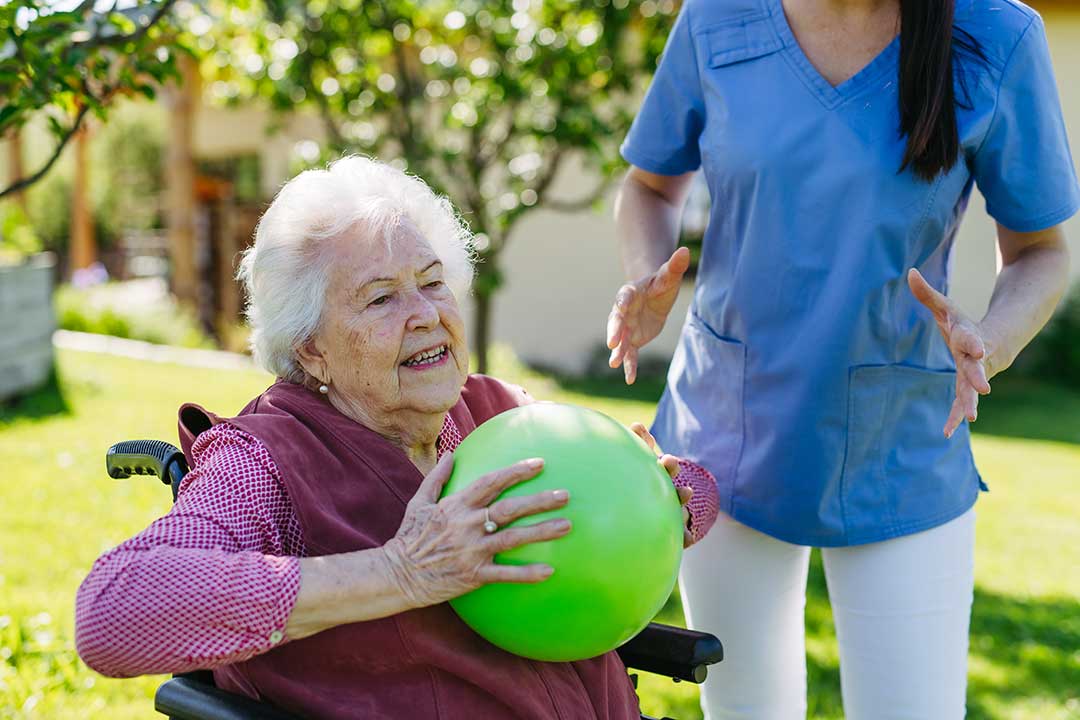
If large-group events cause stress or fatigue, quieter options—like small-group discussions, bedside decor, or simple food treats—can offer a sense of inclusion without overwhelming stimulation.
How Do Residents Stay Connected When Family Can’t Visit?
Holiday seasons can feel lonely if loved ones can’t travel due to distance or health precautions. Supported digital connections help bridge the gap. Many residents use tablets or shared community computers for video chats, digital card exchanges, or viewing family holiday photo albums. Staff may help set up calls or social media access for those less familiar with the technology.
Community holiday cards, group projects, and collaborative crafts further build bonds among residents. Local volunteers sometimes organize pen-pal programs or deliver seasonal cards and gifts, bringing some local warmth into the community.
Are Food and Meals Different During Holidays?
Holiday dining often brings special menus and added touches to regular mealtimes. Traditional dishes, like turkey for Thanksgiving or ham for Easter, are incorporated alongside familiar comfort foods. Special treats—such as cookies, pies, or locally popular desserts—might be served during parties or afternoon gatherings.
For residents with specific dietary restrictions, adapted versions of holiday favorites are provided whenever possible. Those who enjoy preparing food themselves may participate in group cookie decorating, fruit salad making, or assembling snack trays. Sharing food and stories around the table helps maintain the communal, festive spirit.
What Local Traditions Matter Most in Johnstown?
Johnstown’s seasonal climate and close-knit neighborhoods add local flavor to holiday observances. Winter means indoor crafts and music, while fall harvest themes and spring renewals are popular motifs. Residents often reminisce about past events like area parades, church festivals, or community drives, which can spark collective celebration even in new surroundings.
Recreating pieces of local tradition—watching familiar televised events, making regional recipes, or decorating with locally crafted items—reinforces community belonging. Even a simple display of old photos, favorite sports memorabilia, or regional symbols helps residents connect across generations.
